

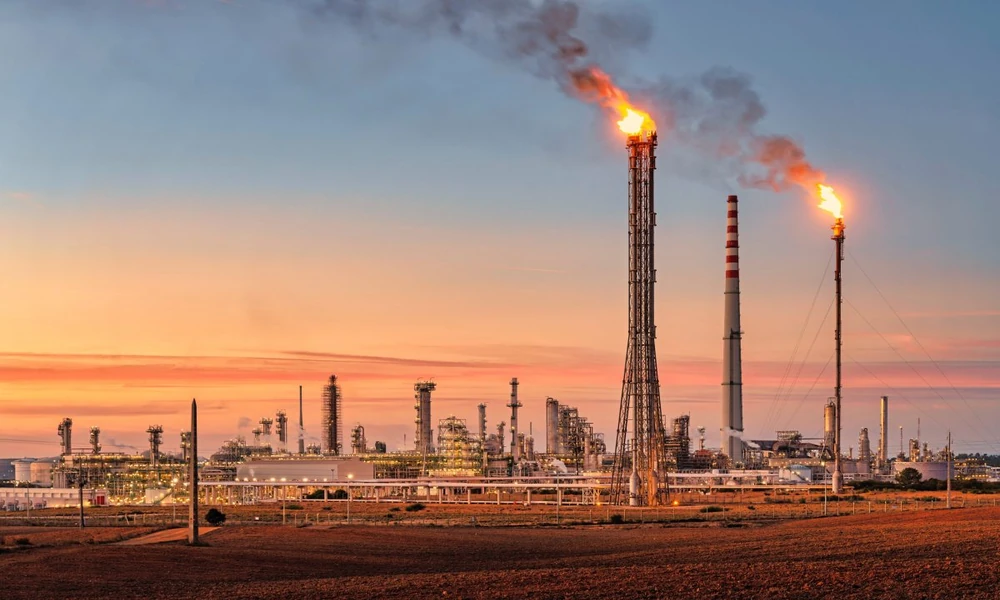
Oil and gas operations often release excess gas during production. Much of this resource can be put to productive use through electricity generation. Assessing flare gas to power projects requires careful financial planning and realistic operating estimates. Investors need to understand gas availability, equipment costs, expected electricity demand, and potential revenue. A structured assessment helps decision makers compare opportunities before committing capital. It also reduces uncertainty during project planning.
Understanding Project Value
Gas recovery projects can turn unused fuel into a useful energy supply. Their financial value depends on reliable gas flow and suitable generation equipment.
Investors should assess the resource before estimating future income. Strong planning connects technical requirements with realistic financial expectations.
Assessing Gas Availability
Gas supply determines whether a project can operate consistently. Production records help estimate available volumes and expected variations.
Engineers should check gas composition before selecting suitable equipment. Changes in pressure or flow can affect generation performance. Early testing supports more accurate project estimates.
Reviewing Initial Costs
Capital requirements extend beyond purchasing generation equipment. Installation, electrical connections, gas treatment, and site preparation also affect expenditure.
Investors should request detailed cost estimates before approving funding. Transport expenses and future maintenance requirements deserve separate consideration. Clear budgets make financial comparisons more reliable.
Financial Factors Worth Measuring
A sound investment review considers both expected income and operating expenses. Each factor influences the project’s ability to recover its initial cost.
· Estimate equipment costs using supplier quotations and installation requirements.
· Calculate expected electricity output from verified gas supply figures.
· Compare projected income against fuel handling and maintenance expenses.
· Include connection costs when electricity enters an existing network.
· Assess financing terms before confirming the available investment budget.
· Estimate downtime using realistic maintenance and operating assumptions.
· Review electricity demand before forecasting potential sales revenue.
· Calculate payback periods using several reasonable price scenarios.
Evaluating Commercial Viability
Commercial viability depends on the relationship between production costs and electricity value. Projects may supply onsite facilities or sell power to external buyers. Each arrangement creates different income opportunities and contractual requirements.
The financial model for flare gas to power should include changes in supply, electricity prices, and operating expenses. Investors should test conservative assumptions before relying on projected returns. A project that remains workable under several conditions may offer greater financial resilience.
Comparing Investment Considerations
The table below summarises several factors that influence project decisions. Each factor requires evidence from technical assessments and financial estimates.
| Investment factor | Information to assess | Financial importance |
|---|---|---|
| Gas supply | Volume and composition | Determines generation potential |
| Equipment selection | Capacity and maintenance needs | Influences capital and operating costs |
| Electricity demand | Onsite use and buyer requirements | Shapes potential income |
| Infrastructure | Connections and installation work | Affects initial expenditure |
| Operating costs | Labour and maintenance | Influences ongoing cash flow |
| Contract terms | Pricing and supply commitments | Affects revenue certainty |
Comparing these areas helps investors identify missing information before approval. Independent technical reviews can strengthen assumptions used in financial forecasts.
Common Questions About Investment
· What determines project cost? Equipment, installation, gas treatment, connections, and ongoing maintenance influence total expenditure.
· How is revenue estimated? Forecasts combine expected electricity output with realistic prices or avoided energy costs.
· Does gas quality matter? Yes. Composition affects treatment needs and equipment suitability.
· Can projects supply onsite electricity? Yes. Generated power can support suitable facilities when technical arrangements permit.
· What causes financial uncertainty? Changing gas supply, electricity prices, maintenance expenses, and unexpected downtime create uncertainty.
· When should investors approve funding? Approval should follow technical validation, financial modelling, and review of major risks.
Building Sound Investment Decisions
Successful project assessment begins with verified resource data and realistic cost estimates. Investors should compare income options before selecting a commercial arrangement. Regular reviews can reveal changing conditions that affect financial performance. Clear contracts and planned maintenance support more predictable operations. Careful execution helps turn a promising energy opportunity into a financially responsible project.
