

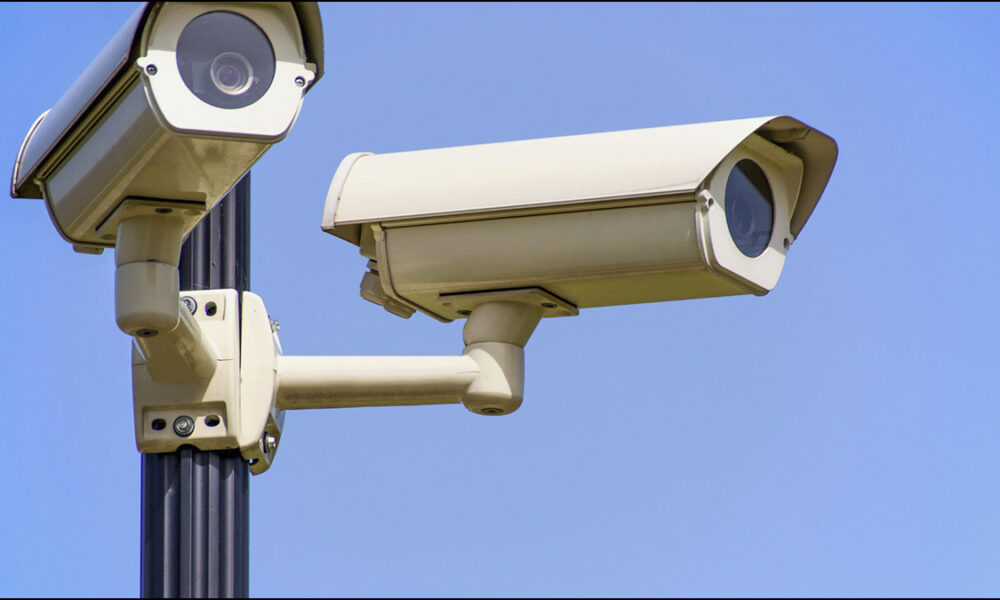
Crowded corridors, shared facilities, and expanding rooms demand smarter protection choices today. Shifting layouts require tools that sense movement, anticipate risk, and guide quick responses. Within this discussion, pace protections security cameras appear as adaptable guardians, not static devices. Their design aligns with human flow, spatial rhythm, and evolving occupancy patterns. Together, these ideas show how thoughtful surveillance becomes a planning partner, not a passive observer.
Movement-Aware Safety Frameworks
Protection strategies now respond to motion patterns rather than fixed boundaries. Layout changes, foot traffic grows, and shared zones multiply across properties. Systems that interpret behavior help teams prevent congestion, disputes, and accidents. Such awareness turns passive monitoring into an active safety framework.
Practical Benefits for Expanding Properties
Adaptable setups reduce blind spots, confusion, and response delays. They support long-term growth without frequent hardware replacement.
- Automatic path mapping improves coverage as layouts change daily.
- Behavior recognition flags unusual crowd movements before incidents occur.
- Remote management lowers on-site staffing pressures across large facilities.
- Scalable storage options preserve recordings without overwhelming servers.
- Smart alerts reduce manual checking and constant human supervision.
- Modular installations adapt easily to newly added rooms.
- Pattern tracking supports better evacuation route planning.
- Data summaries guide layout improvements and signage placement.
Responsive Monitoring for Shared Environments
- Shared spaces host mixed activities, unpredictable movements, and shifting usage.
- Security tools must learn these rhythms instead of enforcing rigid rules.
- Responsive monitoring adjusts angles, coverage zones, and alert thresholds.
- This keeps protection consistent while respecting natural human movement.
What planning gaps appear when spaces expand quickly?
Fast growth often brings unseen safety problems into focus. Temporary solutions usually become permanent without proper oversight. Poorly mapped areas, mismatched coverage, and outdated assumptions create weak links. Modern surveillance planning addresses these gaps by syncing observation with real usage.
Pace protections security cameras
These systems combine modular builds, adjustable analytics, and real-time monitoring features. Their flexibility supports growing properties without complex rewiring or repeated purchases. Managers can modify zones, update alert behaviors, and add modules smoothly. Such adaptability keeps safety strategies aligned with changing occupancy demands.
Data-Led Safety Planning Models
Modern protection relies on information, not assumptions. Observational insights guide layout decisions, staffing levels, and emergency routing. Planners now use recorded patterns to redesign safer environments. This approach replaces guesswork with measurable safety improvements.
Closing Thoughts Ahead
Safety planning now thrives on adaptability, insight, and responsive design. Static solutions rarely support growing properties with shifting usage patterns. Smarter systems read movement, anticipate problems, and guide better layouts. Such thinking transforms protection into an evolving strategy rather than fixed hardware.
