

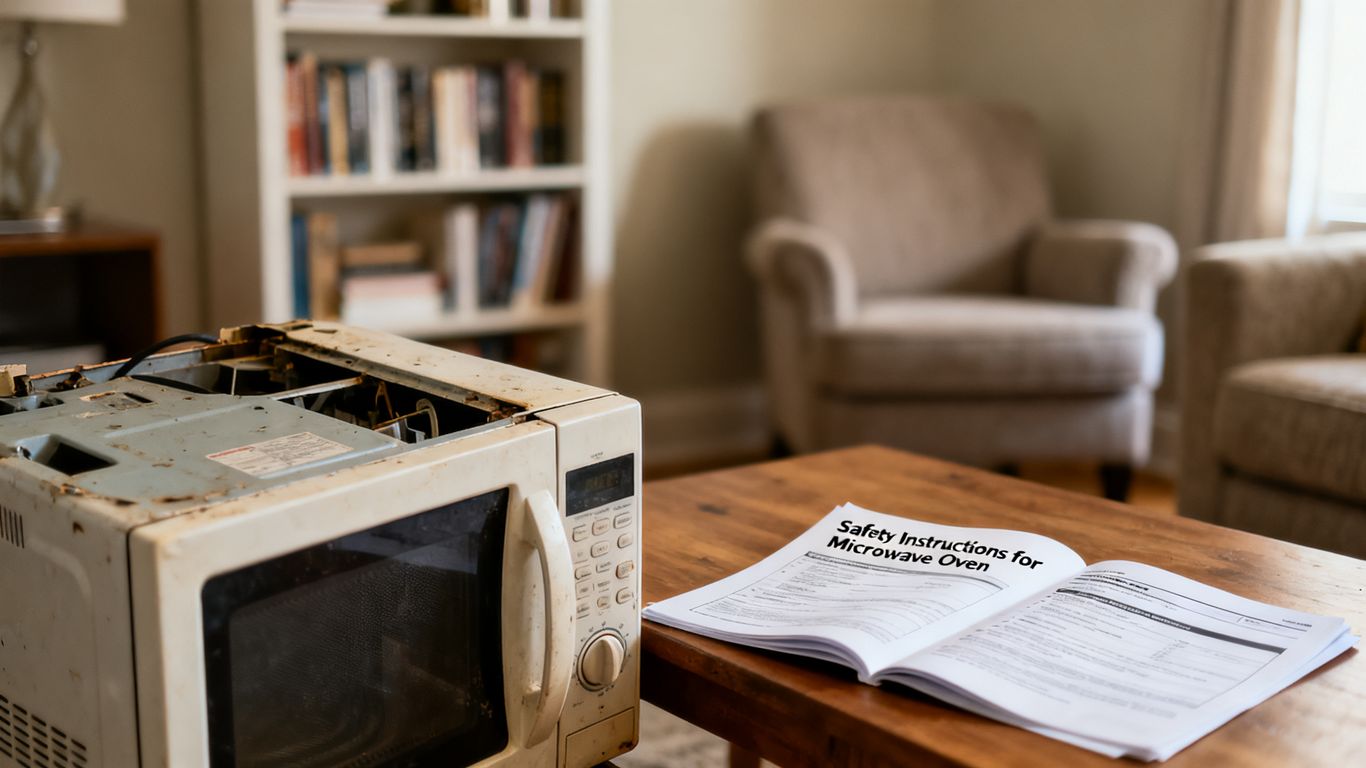
A product recall is a proactive measure taken by manufacturers or regulatory bodies to remove goods from the market that pose safety risks. These actions are either voluntary, initiated by the company to mitigate liability and harm, or mandatory, forced by government oversight to protect citizens. Understanding the nuanced differences between these safety measures is core to knowing your product recall rights as a consumer. Manufacturers issue a recall when they determine that a product is defective, violates safety standards, or creates an unreasonable risk of injury.
Definition of voluntary versus mandatory recalls
Companies typically initiate a voluntary recall to maintain their brand reputation and preemptively address identified hazards within their distribution chain. In contrast, a mandatory recall occurs when a government agency forces a company to pull products from shelves due to significant safety violations that the company refused to address. This distinction often changes the timeline and public awareness of a specific notice.
Which government agencies oversee product safety
Various federal entities enforce consumer safety in the United States, each with specific jurisdictions depending on the nature of the item. For example, NHTSA manages vehicle manufacturing defects, while the Food and Drug Administration oversees products related to clinical health and food supply. Understanding which agency manages a specific category helps consumers identify where official safety warnings are published.
Common reasons for initiating safety notices
Safety notices are usually driven by data showing potential danger during standard use, such as electrical failures or contamination risks. Common catalysts include reports of overheating, physical entrapment hazards, or components failing to meet durability benchmarks. Companies often identify these flaws through rigorous internal auditing or consumer reports submitted after the product is purchased.
Distinguishing between recalls and general product warnings
A product recall involves a formal process of returning, repairing, or replacing an item, whereas a product warning is an advisory message suggesting that users exercise caution. Recalls require active participation from both the manufacturer and the owner to rectify a proven hazard. Warnings describe risks that can be mitigated through modified behavior or additional protective gear, but they do not necessarily demand a return of the goods.
Identifying if your product is under recall
Most consumers discover an active recall through digital tools or direct communication from the entity responsible for the distribution. Keeping track of your serial number is essential for verifying your specific unit’s status, especially with electronics or appliances that have complex manufacturing histories. By staying informed, you can ensure that you are not operating a device that has been flagged for a dangerous vulnerability.
Using manufacturer databases and serial numbers
Manufacturers often maintain online portals where users can input unique identifiers to see if their possession is impacted. This process allows you to determine precisely when your item was produced and whether it belongs to a affected batch. Checking these records frequently is a standard practice for owners of long-term household goods.
Monitoring official government recall websites
Government platforms aggregate data to provide a centralized view of all active warnings across different industries. Leveraging CPSC data allows users to search for specific hazardous goods in one convenient location. These sites are maintained with the latest updates from importers and domestic manufacturers, ensuring the information remains current.
Understanding how to verify official communication
Consumers should be wary of phishing attempts that masquerade as official recall alerts to steal personal financial data. Official communication typically arrives via verified email domains or official mail sent directly to the registered purchaser. Always navigate directly to the manufacturer’s official landing page to verify the documentation provided in any notice.
Resources for checking historical recall data
When evaluating a used product, it is useful to consult databases that track safety notices over time. Historical records reveal whether a product line has a history of repeated failures or if the issue was a one-time isolated incident. These resources prevent you from purchasing items that were previously deemed unfit for the market.
Your product recall rights
Consumers possess specific protections when a product they purchased fails to meet safety requirements. These rights exist to ensure that you are not left bearing the financial cost for an item that is fundamentally defective through no fault of your own. Understanding the details of your Consumer Rights clarifies exactly what compensation you are entitled to during the resolution process.
Right to a repair or part replacement
If a product is recalled, you are generally prioritized for a professional repair that restores the item to a safe condition. In cases where the repair is insufficient or impossible, a part replacement is mandated to swap the faulty component for a safe equivalent. Manufacturers must cover the cost of these logistics, including shipping and labor.
Entitlement to a full or partial refund
When a product ceases to be usable due to a safety hazard, the manufacturer is often required to provide a refund proportional to the product’s value. If the item was recently purchased, a full refund is a common standard, though some companies may scale this based on usage for older items. This ensure you remain whole after the manufacturer’s failure to provide a safe product.
Protection against ongoing unsafe usage
Your right to stop using a hazardous item is supported by legal frameworks that prevent companies from demanding you continue operating a known danger. You are not forced to accept risks in exchange for potential future compensation. Instead, you have the autonomy to prioritize your immediate physical well-being above the temporary utility of the product.
Scope of implied warranties and consumer laws
Implied warranties act as a safety net, guaranteeing that a purchased item is fit for the purpose the manufacturer claimed. Even if a formal warranty has expired, laws often protect consumers when a defect is inherent to the manufacturing process. These statutes prevent companies from ignoring their obligations just because a short-term contract has passed.
Steps to take immediately after a recall notification
Once a recall is official, you should manage the situation methodically to ensure your safety and eligibility for remedy. Failing to act quickly can compound risks, particularly with items that pose fire or health hazards to those nearby. Following these specific steps helps you maintain control over the resolution process:
- Stop using the product immediately to prevent accidental injury or further deterioration of the unit condition.
- Locate your receipt or proof of purchase, as records make the registration process significantly easier to track.
- Take photographs of the serial number and the damage or fault to provide documentation for your claim.
- Secure the item in a location where it cannot be operated by children or other household members until instructions arrive.
Once you have taken these initial steps to secure your environment, you will be well-prepared to move forward with the manufacturer’s specific remedy program, which will explain how to return or repair the contaminated, unstable, or broken object.
Common remedies and compensation options
Companies typically outline a remediation strategy that balances their operational capabilities with the need for consumer fairness. The specific options offered often depend on the severity of the hazard and the availability of replacement parts in the current supply chain. Understanding these paths helps you choose the option that best fits your immediate needs and long-term use requirements.
Standard repair program procedures
Repair programs usually involve coordinating with an authorized service agent who handles the technical fix. You might be asked to send the unit to a central hub or wait for a technician to visit your home. This process is intended to be cost-neutral for the owner, with the company absorbing all freight and labor costs.
Eligibility for cash refunds or store credit
If the fix is unavailable, a company may offer a refund or an alternative credit to use on their own platform. Cash refunds are often issued after you confirm the destruction or return of the recalled goods. Choose this option if the specific product line is no longer viable for your lifestyle or if the defect makes you lose trust in that item.
Recovering costs for related incidental losses
In scenarios where the recalled product caused damage to your property or necessitated unexpected expenses, you may have grounds for seeking additional coverage. Documenting the connection between the failure and your loss is critical for successfully recovering these funds. This often requires submitting an itemized report to the manufacturer’s specialized claims department.
Navigating product replacement cycles
Sometimes a recall involves swapping your old unit for a newer, revised version of the same product. This is a common approach in consumer electronics where design flaws are corrected in subsequent manufacturing cycles. Ensure that the replacement model specifically lists the fix for the identified vulnerability before completing your transaction.
How to handle disputes with manufacturers
If you find that a company is non-responsive or is failing to uphold their stated obligations, you must engage in a formal dispute process. Do not accept a denial of responsibility if the product is explicitly included in a recall notice. Maintaining a paper trail of every interaction is the most effective way to protect your interests during these contentious moments.
Escalating issues through internal customer service
Begin by requesting to speak with a supervisor or a dedicated recall management team rather than standard support agents. State your request clearly, citing the official recall notice and your desire for a defined resolution. Many companies have specialized departments that are empowered to bypass standard return policies to resolve public safety issues.
Reporting non-compliance to regulatory authorities
If the manufacturer drags their feet or attempts to ignore the recall, you should file a report with the appropriate governing agency. These agencies have the power to audit company records and force them to abide by their legal requirements. Alerting authorities provides legal support documentation that proves the company is not fulfilling its mandate, which can be an important factor in subsequent advocacy.
Documenting evidence for third-party advocacy
Third-party consumer advocacy groups can be influential when a single voice is ignored by a large corporation. Collect all communications, including transcripts of chats and copies of letters, to build a compelling case for your situation. Providing this evidence to an advocate allows them to place public pressure on the firm to act honorably.
Evaluating the need for further legal intervention
If the damage is substantial or the manufacturer continues to violate safety laws, consult with a professional who handles consumer cases. A legal expert can help you determine the feasibility of a claim based on local laws and the specific impact the recall has had on your finances. Sometimes, formal legal correspondence is the only language that brings an uncooperative company back to the negotiating table.
