

Introduction
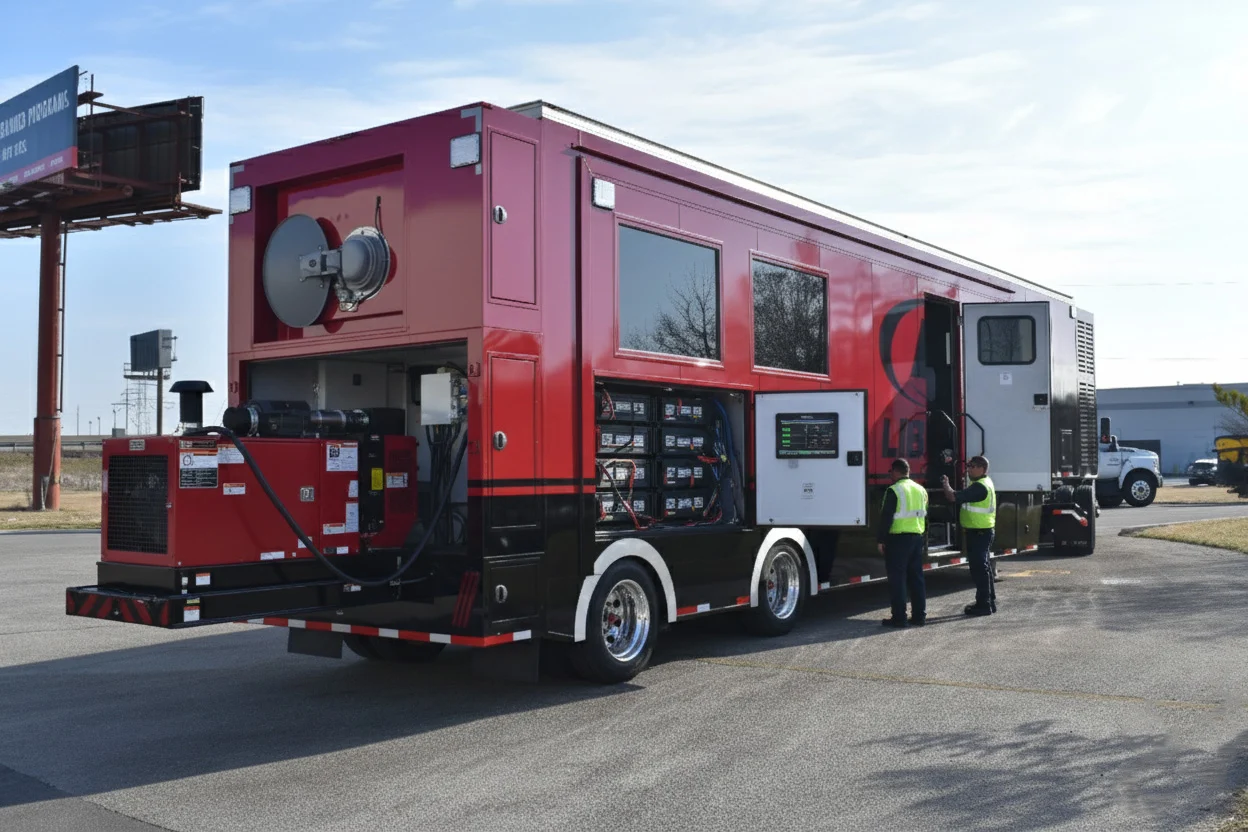
The capacity to react quickly while keeping conversations flowing is crucial in emergencies where each second matters. Emergency planning, disaster assistance, and other massive operations rely heavily on mobile command centers. Cutting-edge technologies provide safe interaction and cooperation amongst important workers while enabling teams to rapidly collect, combine, and act upon data. We’ll look at the features that make mobile command solutions unique, how they handle situations requiring immediate reactions, and the technology that makes them essential in this article.
Access and transportation
Mobile Command Centers may relocate flexibly to the areas where they have the greatest need, whereas standard command centers are restricted by their place of operation. They provide adaptability and accessibility when it comes to reacting to severe issues, managing protection during major events, or organizing utility and property checks, highlighting the importance of mobile command centers in security tech.
Improved interaction
Mobile command centers use cutting-edge technologies like satellite links, high-speed internet access, and combined video conference equipment to enable immediate interactions amongst key individuals. Smooth communication between personnel, ground crews, and outside organizations is a top priority in mobile command centers’ designs.
Gathering and sharing live data
Teams can collect vital data locally because of the sophisticated sensors, aerial vehicles, and wireless communications that modern mobile command centers are furnished with. This contains geospatial information from ecological sensors, thermal photography, and visual information from drones. Live data sharing, as well as access to live aerial photographs are made possible by drone connectivity. In activities that need quick risk evaluations and quicker reaction times, this expertise will prove beneficial.
Coordinating centrally
Complex activities and emergencies need exact collaboration between numerous teams and authorities. They serve as the hub, enabling mission leaders to communicate, track developments, and make real-time strategy adjustments. This approach expands what mobile command centers can accomplish, from sophisticated monitoring devices to multiple agency coordinating capability.
Use cases
Safety of the Public: For flawless integration and life safety, mobile command centers are essential for everything from crisis action to major event safety. Mobile command centers are created with capabilities specific to emergency medical services, fire, and law enforcement agencies for rapid deployment.
Security and Army: MCCs make it possible to coordinate and communicate securely in dangerous tasks, training exercises, and conflict zones. Mobile systems are designed to withstand harsh environments without sacrificing performance.
Operations of UAS: For sectors ranging from construction assessments to search and rescue operations, the inclusion of drones in mobile command centers improves their understanding of the situation. Operators can securely avoid outside interference while concentrating on aerial data.
Conclusion
Mobile Command Centers are the highest level of cutting-edge technology and well-considered architecture in emergency scenarios. They are more than just specialist options. Since there are a lot of leading companies, businesses can be sure that they will be able to react quickly, coordinate easily, and express themselves clearly in any situation. With an answer that puts you in charge, you can get your team ready for the next operation.
